Stephanie Svolos has worked in the child welfare field for 10 years, so she knows well its ups, downs, and everything in between.
In 2020, she decided it was time to pursue an advanced degree that could give her a better understanding of the ethics around social work and more opportunities to become a leader in the field.
“One of the things I learned in grad school was people’s right to self-determination and putting that into practice. You have to accept each person and each family where [they are] and work with them from there,” says Svolos, a caseworker for child protective services in Allegheny County, Pennsylvania.
When Svolos earned her master’s degree at the University of Pittsburgh School of Social Work in 2022, she also became one of 1,746 graduates to do so thanks to the support of the pioneering and now three-decades-old Child Welfare Education for Leadership (CWEL) program. In collaboration with 13 schools of social work in Pennsylvania, including Pitt, CWEL provides financial backing to current public child welfare employees who decide to pursue a master’s degree in social work. The program covers associated costs such as travel to classes and books and supplies. Salary reimbursement is provided to students who receive an educational leave from their county child welfare employment to attend school full time. This investment is made in return for continued service at the public child welfare agency equal to the time engaged in graduate study.
Launched formally at Pitt in 1995, CWEL celebrates 30 years of trailblazing initiatives that have improved child welfare training and education for students and professionals across the commonwealth. Former CWEL participants have assumed leadership roles as child welfare agency administrators and supervisors; led changes in practice; engaged in teaching the next generation of child welfare practitioners at universities and training centers; and overseen special projects such as family engagement, trauma-informed care, and services for older youths.
The innovative program is a cooperative effort among the federal Administration for Children and Families, the Pennsylvania Department of Human Services, and Pennsylvania Children and Youth Administrators. Its mission is to strengthen public child welfare services in the commonwealth by providing educational opportunities at the graduate level for public child welfare personnel.
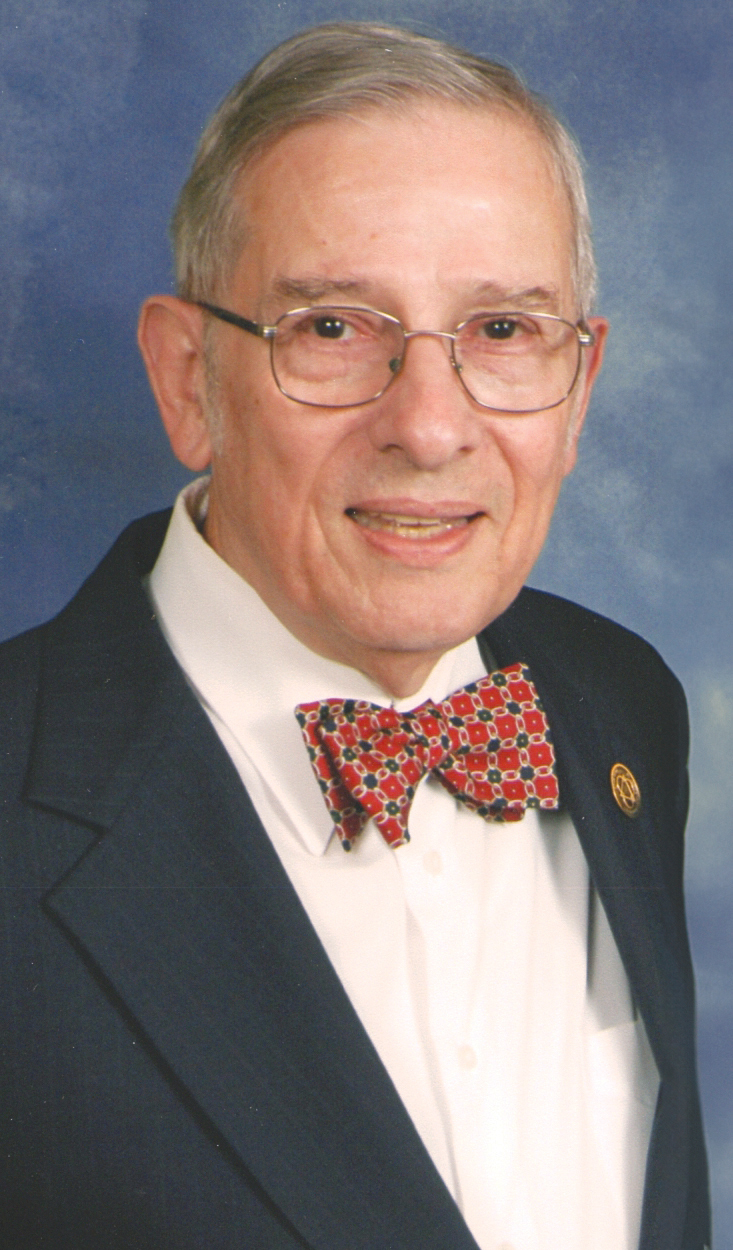 “We’re professionalizing child welfare, upgrading services, [and] training the people who go every single day into homes of families across Pennsylvania and every single county to protect children, to facilitate family decision making, and to ensure that every kid in Pennsylvania is properly cared for and no child is in danger,” says Edward Sites (MSW ’64), founder and former principal investigator of the Child Welfare Education and Research Programs at Pitt Social Work.
Participating in CWEL provides students who have been working in the child welfare field with the opportunity to obtain a broader perspective of how best to engage and intervene with families who are met with the interrelated challenges of poverty, systemic oppression, unequal access to resources, and the pressures of parenting under difficult circumstances. It exposes students to broader evidence-based practices and how they can be implemented within the context of the communities in which children and families live, says Helen Cahalane (MSW ’79, PhD ’96), who has led the child welfare programs as principal investigator for the past 20 years.
 In many instances, says Cahalane, access to resources and culturally relevant community support can alleviate the need for child protective services, and this philosophy of service and outreach is foundational to CWEL’s mission of enhancing the quality of parent-child relationships.
Keep in mind, Cahalane adds, that public child welfare workers operate as first responders: “We’re preparing individuals to work with cases of potential child abuse and child neglect, and we’re supporting families, making sure that we’re doing everything we can do to keep children in their local communities and to promote their healthy growth and development.”
Along with these efforts, Cahalane says, the Child Welfare Education and Research Programs provide support, training, and technical assistance to local public child welfare agencies in each jurisdiction of Pennsylvania through the Pennsylvania Child Welfare Resource Center. This combination of individual and organizational enhancement is contributing to building and sustaining a strong workforce, strong organizations, and a strong child welfare system.
The beginnings
Child welfare has been central to Pitt Social Work since it was founded more than 100 years ago. The first child- and family-focused courses were offered in 1917, shortly after the founding of the U.S. Children’s Bureau, the nation’s first federal agency dedicated to addressing child labor, orphanages, and other child and family issues. In 1938, Pitt Social Work introduced a master’s-level curriculum focused on child safety and well-being. Years later, a children and youth concentration was established and became a curriculum model adopted by other schools of social work across the nation. The 1970s ushered in the first in a series of uninterrupted state, federal, and foundation child welfare training grants that continue to the present.
The seeds of the current professional education programs began with amendments to the Social Security Act that included funding for the training of child welfare workers. Nearly 33 years ago, a pilot program in collaboration with Westmoreland County, Pennsylvania, was the catalyst for the development of a longer-term training model to address child welfare workforce issues. That model became a reality in 1995 with the creation of CWEL. Its success laid the foundation for two additional professional development programs that are helping to support and enhance the child welfare workforce in Pennsylvania.
The first is Child Welfare Education for Baccalaureates (CWEB), which began in 2001. It provides financial and career assistance to undergraduate social work majors preparing to enter public child welfare after graduation.
The second is the Pennsylvania Child Welfare Resource Center, which came under Pitt’s leadership in 2001. It is based in Mechanicsburg, Pennsylvania, and provides training, technical assistance, and organizational enhancement to administrators, supervisors, and caseworkers across the state’s 67 county child welfare agencies.
The longevity of the three programs has strengthened their contributions to the well-being of children and families in Pennsylvania. CWEL and CWEB have together enabled more than 3,000 students across 18 schools of social work to have a positive impact on communities, while the Child Welfare Resource Center has enabled another 3,500 child welfare professionals from county agencies to make constructive differences.
Today, the work of these child welfare education programs has become woven into the fabric of Pennsylvania’s child welfare system. States across the nation have since implemented similar programs, with Pitt’s being the second largest and one of the oldest.
Pitt’s statewide continuum of child welfare education, training, and organizational improvement is known nationwide for its comprehensive approach to workforce development, according to multiple federal child welfare reviews that assess how workers are caring for families, children, and communities.
From county to county
Pennsylvania is one of the few states in the country where child welfare is administered at the county level; in most other states, child welfare programs are state led, says Mike Byers, director of the Pennsylvania Child Welfare Resource Center. Byers is a proud early participant of the CWEL program who began his career nearly 28 years ago and remains committed to public child welfare.
“That means,” says Byers, “that there are 67 organizations that may be practicing a little bit differently, may be operationalizing their approach differently based on the needs of their community. One of the services we provide is acknowledging that county-level difference.”
This is important, Byers adds, because each county is unique in its population composition, infrastructure, community resources, social service availability, child welfare workforce size, and integration among service providers.
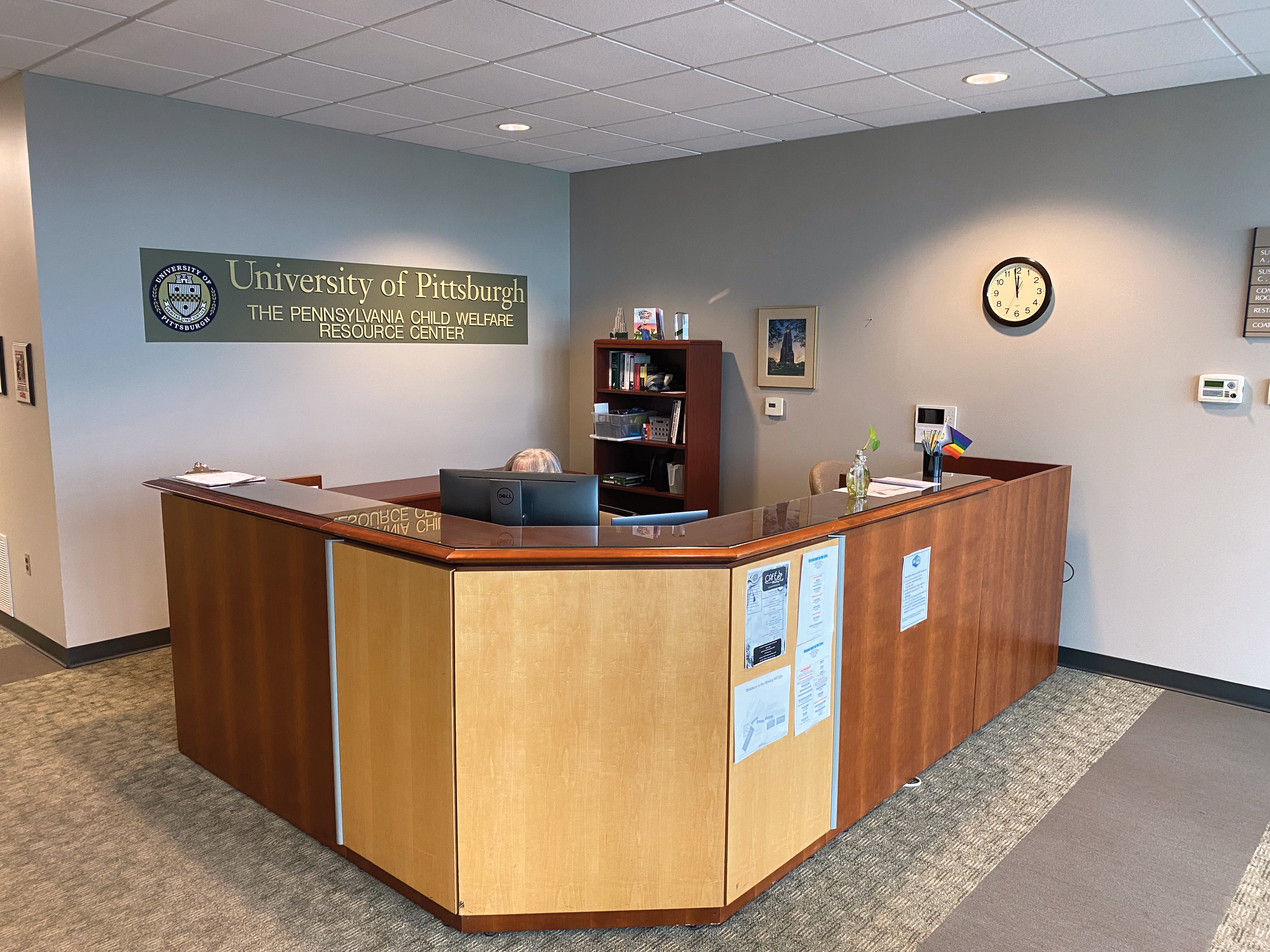 Through the Child Welfare Resource Center, Pitt has a statewide presence by leading practice initiatives, promoting organizational change, training the workforce, and assisting in the implementation of state and federal child welfare policy. Though it has been in operation under Pitt for nearly 25 years, the center continues to innovate to offer technical services to help county child welfare agencies retain workers as staff shortages grow more critical.
“We are launching an assessment tool this fall,” Byers says, “that is evidence informed and gets at what may be causing some of the staffing challenges that a county is experiencing, from job satisfaction to burnout or supervision issues.”
All these matters, he adds, “are critical to better understanding what’s happening, and then we partner with our technical assistance team to support the county in implementing change as a result of those findings.”
Despite staffing challenges, Byers and others note that the child welfare system has made great strides in other areas, including how it engages with families in addressing difficult issues, such as substance abuse, various forms of addiction, behavioral health concerns, parental incarceration, and the consequences of child neglect and abuse.
“When I first started as a case worker in Dauphin County in 1999, the emphasis on families was more of one that [caseworkers] were the experts, and we could tell families how to best serve them,” says Sarina Bishop, assistant director of the Pennsylvania Child Welfare Resource Center and a former CWEL participant who has moved into a position of leadership.
Across the industry, Bishop and other practitioners are aware that the perspective has shifted to using family strengths to make collaborative decisions for achieving goals.
They observe, too, that another essential component of child welfare system reform efforts is collaborating with individuals with lived experience as subject matter experts in developing policy recommendations and strategic plans. The professional staff of the Child Welfare Resource Center includes parents and youths who have personal experience with the child welfare system.
Bigger and better
As these programs approach 30 years of operation, its participants are needed more than ever because Pennsylvania, like many states, is facing a critical shortage of social services providers. The state will need 12,690 more social services providers, including social workers, by 2030, according to a 2023 report from Pennsylvania’s State System of Higher Education.
The Child Welfare Resource Center’s most recent analysis of child welfare workforce data shows that the turnover rates for public-sector caseworkers improved over the last fiscal year. The median turnover rate decreased to 21% in state fiscal year 2022-23 compared to 24% in 2021-22. Turnover rates vary greatly across counties, with the most current rates ranging from 0% to 55%. This marks the smallest range in turnover rates for several years. While decreases in turnover are a positive shift toward a more stable workforce, data indicate that there is a need for more workers. The number of child welfare professionals remains 400-500 people fewer than in prior years. In addition, the number of caseworkers hired in state fiscal year 2022-23 marks the continuation of a downward trend over the past several years.
Despite these challenges, Pitt’s child welfare programs have continued to evolve and adapt to meet the needs of Pennsylvania’s children and families. Since the inception of these programs, the overarching goal has been to develop the leaders needed to maintain high-quality child welfare services through meaningful and close partnerships with the state.
“Our graduates and our trainees have assumed leadership roles in practice initiatives throughout the state and actively contribute to shaping the future of child welfare services on the local, state, and national level,” Cahalane says. “They are providing direct service, serving as managers and supervisors, mentoring junior colleagues, contributing to training curricula, conducting quality improvement programs, leading race equity initiatives, participating in child fatality/near fatality reviews, and working as child welfare trainers and consultants.”
Reflections from Pitt graduates and current students
Kiesha Kamdar (BASW ’21, MSW ’24), who completed Pitt’s CWEB program in 2021 and CWEL in summer 2024, is a case worker for the Allegheny County Office of Children, Youth and Families (CYF). She chose to pursue a career in child welfare because of her own experiences in the foster care system.
“I just wanted to help kids understand that they do not have to identify as what caused them to be involved with the system and that there was better for them out there,” she says.
CWEB and CWEL educated her on the need to give people who are enduring challenges, particularly substance abuse, more grace as they try to navigate improving their lives.
Tyler Olzak, an undergraduate in his final year of the BASW program, says that his own experience interning with CYF has been profound.
“There’s a lot of trauma involved in it, and there’s a lot of heavy work that we deal with, but it’s definitely rewarding,” he says.
In addition to robust academic preparation, the CWEB program provided Olzak with tuition and fellowship support in exchange for service within a public child welfare agency following graduation. Interns like Olzak manage their own cases and work one on one with families to build experience as practitioners.
“Child welfare is definitely one of the most rewarding social work fields. Helping a family get where they know that they can be and where you know that they really can be is something that I’ve really enjoyed,” says Olzak.
Cahalane sees the recruitment of more child welfare professionals like Kamdar and Olzak as one of the top priorities of the Child Welfare Education and Research Programs.
“These are critical positions that can make a significant difference in a child’s life and a family’s life,” she says.
As those involved in the child welfare system, including educators and practitioners, think about long-term goals, says Cahalane, they must consider how to continue to provide high levels of support and professional development for public child welfare professionals and how to prepare them to meet the demands of an ever-changing sociopolitical landscape.
“Professionals working in child welfare must be equipped to focus on the child, the family, and the community context,” she says. “They must be attuned and ready to confront long-standing issues of racial inequity, systemic racism, and oppression that influence societal responses to child protection and family support.”
Cahalane maintains that a greater focus on and funding for prevention services has begun to open opportunities for the child welfare system to move toward early intervention and community-based solutions for alleviating many of the stressors associated with child maltreatment.
“The health and well-being of the child welfare workforce remains central to this shift,” she says. “After all, even an army of dedicated social workers can’t provide high-quality services without growth opportunities, highly functioning organizations, and the structural supports necessary to engage in complex and challenging work involving the lives of children and their families.”
It’s a concept that applies to the broader field, too.
As a graduate student, Michael Komorowski (MSW ’20) described himself as a nontraditional student because there was a 16-year gap between earning his bachelor’s degree in psychology and enrolling in CWEL at Pitt.
When he was applying, he worried that his less-than-stellar undergraduate grade point average would hurt his chances of being accepted into the program. He addressed that in his essay when he applied, and he was admitted on provisional status, says Komorowski, who now works as a best practice specialist in CYF.
He takes pride in the fact that he earned a 4.0 GPA in every term in CWEL and received the Dean’s Scholar Award when he graduated in 2020.
“I reflect on that experience and take the same approach. When you’re in social work, we cannot change the past, but we can learn from our mistakes and work forward toward the future,” he says.
Moving forward
Pitt’s School of Social Work salutes its program participants and its partners in the Pennsylvania Department of Human Services, Office of Children, Youth and Families with sincere admiration. Their investment, risks, energy, vision, and contributions to the child welfare system are more responsible than anything else for the continued success of the CWEB and CWEL programs and the Pennsylvania Child Welfare Resource Center. A note of gratitude goes to each and every Child Welfare Education and Research Programs team member who makes countless contributions to our program operations throughout each year.

Challenges and Opportunities
While there are many challenges within the public child welfare system, there also is tremendous opportunity for growth and innovation. In the past year, Pitt’s professional education programs welcomed eight new school partners that provide expanded opportunities for child welfare studies across the state. Online and hybrid learning opportunities have created options for education beyond traditional campus settings. The School of Social Work is building a firmer pathway from community college to higher education at a time when school enrollment has declined across the nation. Opportunities abound for individuals who are looking for ways to give back to their local communities and reenergize public services such as child welfare. Efforts continue to expand the voices of youths and families to inform decision making and direction by hiring individuals with lived experience in positions of leadership. The school has intensified its focus on race equity and disproportional representation within the child welfare system through a concerted emphasis on strengthening its internal foundation; making concrete enhancements to services; and integrating race equity principles into its child welfare policies, procedures, and daily activities.
In 2026, Pennsylvania will undergo the fourth round of the federal Child and Family Services Reviews. This requires a statewide assessment; on-site reviews by a team of federal, state, and local child welfare experts; and the development of a comprehensive plan to address the needs of the state in ensuring that Pennsylvania’s most vulnerable children and families receive the services they need to thrive.
Future directions:
• Implementation of a statewide universal assessment protocol that will more precisely identify the strengths and needs of children, families, and caregivers so that the most appropriate services and interventions can be provided to address needs
• Continued emphasis upon community-based supports and services to address poverty, concrete needs such as food and affordable housing, behavioral health and substance abuse treatment, education, and family caregiving
• Focus on prevention/early intervention to avoid deeper child welfare system involvement
• Incorporation of a trauma-informed approach to care that avoids judgment and recognizes that individuals are more than their experiences
• Universal services for pregnancy/parenting, particularly when high-risk factors are identified, that are provided to all new parents and at a level of intensity that meets individual needs
Positive rewards of challenging work:
• Supporting someone in taking the step toward substance abuse treatment and then seeing them achieve sobriety and be fully present with their children
• Helping a parent to maintain contact with their children while they are incarcerated and playing a role in keeping the connection between a parent and child(ren)
• Providing a judgment-free zone for a parent who has abused or neglected their child and supporting them in changing that narrative
• Finding a “forever home” for a youth who has been in foster care
• Witnessing a former foster youth graduate from college after years of trauma and a disrupted education
• Supporting a child welfare caseworker through graduate school and seeing them move on to a leadership position in their agency
• Watching the career progression of a person who began child welfare work as an undergraduate student and is now supervising and mentoring other workers
• Mentoring a former child welfare student who is now teaching the same course that you taught to them many years ago
• Supporting a grandparent who has assumed caretaking of their grandchildren under difficult circumstances
• Watching a former child welfare client lead other parents in advocating for themselves and speaking their truth